
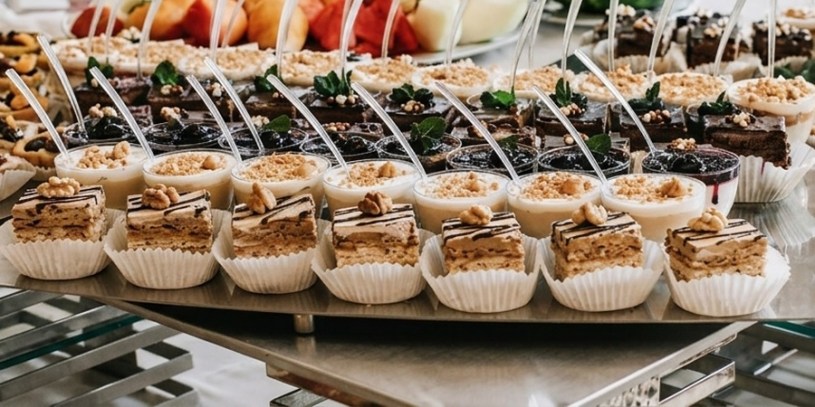
Choosing an afternoon spread is usually done from the organiser’s chair, with a budget in one tab and a menu in another. Try three other chairs before deciding. Sit where the guest will stand, cup in hand. Sit where the delivery driver will park. Sit where whoever clears the room will be at five o’clock. Each seat exposes a different weakness in a menu, and comparing high tea catering singapore options from all of them takes the guesswork out of a decision that otherwise comes down to photographs.
The Guest’s Seat: One Free Hand
Stand up, hold a mug, and read the menu. Can you eat each item with the other hand alone, in two bites, without a plate? Mini sandwiches, tartlets, curry puffs and firm kueh pass. Sliced cake with soft icing, noodles, anything in sauce and anything that flakes down a shirt front do not. One or two awkward items are tolerable if forks are supplied.
The Guest’s Seat: The Second Visit
People return to a tea table several times, and each visit they look for something they have not yet tried. A spread with eight varied items therefore satisfies more than one with four items in double quantity, even though the total weight is the same. Check for contrast: soft and crisp, sweet and salty, warm and cool, local and Western. If four of the six options are variations on pastry, the table will feel repetitive by the second trip and the last trays will go untouched.
The Guest’s Seat: What Is Inside
From the guest’s side, fillings are a mystery. Is the puff chicken or sardine? Does the sandwich contain egg? Is that green layer pandan or pistachio? For Muslim guests the first question is whether the kitchen is halal-certified by Muis, which the caterer should be able to show with a valid certificate. For others it is allergens. Favour caterers who list ingredients for each item or will send them on request, and plan to label the trays so nobody has to guess.
The Driver’s Seat: Distance and Windows
Now picture the van. Where is the kitchen relative to your venue, and what delivery windows are offered on your date? Afternoon slots are popular, and a caterer may only guarantee arrival within a band of an hour or more. That is fine if your break is flexible and a problem if it is fixed at three sharp. Menu pages for catered tea breaks with delivery usually state windows and surcharges. If they do not, ask, and get the answer in the confirmation message.
The Driver’s Seat: What Travels Badly
Some items survive forty minutes in traffic better than others. Choux pastry softens. Fried snacks lose their crunch in a closed box. Open-faced canapes slide. Chilled desserts warm up unless packed with ice. Ask how each fragile item is packed and whether sauces or creams travel separately. A caterer who has thought about this will answer immediately. One who has not will say everything is fine.
The Cleaner’s Seat: Crumbs, Cups and Bags
At five o’clock someone faces the table. Disposable trays and cups mean no equipment is collected, which is convenient, and also that every item becomes rubbish in your building. Look at what the set includes: plates, napkins, stirrers, bin bags? Flaky pastry on carpet, sticky kueh wrappers and half-drunk cups of tea are the usual debris. If the room is borrowed or must be handed back promptly, lean towards tidy items and ask for lidded cups or bring a jug for dregs.
Back in the Organiser’s Chair: Reading the Price
Return to your own seat. Prices are normally quoted per person for a set number of items, with a minimum headcount. Check what sits outside that figure: delivery, drinks, dispensers, extra disposables, tax, and any charge for particular hours or locations. Two menus at the same headline price can differ noticeably once these are added. Ask each caterer for the final amount for your date and address, in writing, and compare those totals.
How Many Pieces Per Person
Quantity at tea is counted in pieces, not portions. Ask how many pieces of each item the set provides per guest, then imagine the plate. For a short break between sessions, a handful of pieces per head is typical. For an event that replaces a meal, such as a late-afternoon reception running towards evening, guests will eat more and a larger set or an added noodle tray makes sense.
Questions That Reveal a Careful Caterer
A few questions separate attentive kitchens from casual ones. What is the order cut-off for my date? Can one item be substituted? What time will the food be prepared, and what consume-by time will be on the label? Who do I call on the day if the driver cannot find the entrance? Clear, prompt replies suggest a business that handles afternoon orders routinely. Hesitation on the label question in particular is a warning, because time-stamping cooked food is basic practice for licensed caterers.
Deciding Between Two Menus
If two menus remain, score them from the three seats. Which is easier to eat standing and offers more contrast? Which has the delivery window that fits and packs fragile items properly? Which leaves less mess and includes the disposables you need? Then compare final prices. The option that wins two seats out of three is normally the right one, even if it costs slightly more. Shortlist from a page of halal high tea sets with finger food and put each candidate through the same exercise.

