
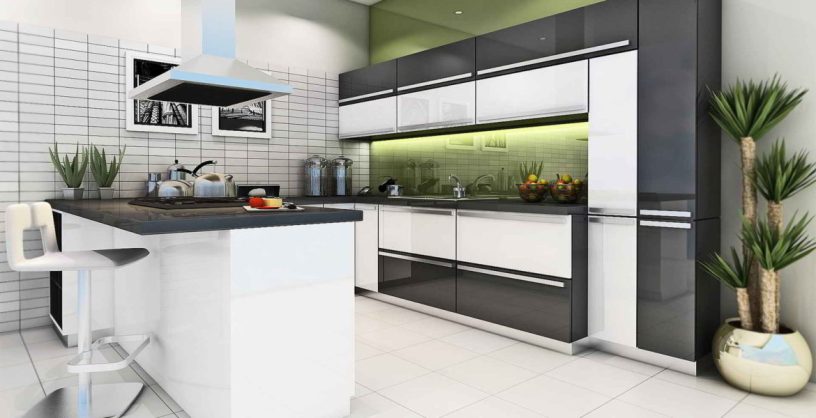
Introduction: The Art of Working Smarter in the Kitchen
The kitchen is more than a place where meals are prepared—it’s a creative sanctuary, a family hub, and, for many, the heartbeat of the home. Whether you’re a seasoned chef or a home cook learning the ropes, one truth stands universal: mastering a few clever tips and hacks can significantly elevate your culinary experience. From efficient organization to innovative cooking techniques, knowing your way around the kitchen is not just about recipes—it’s about rhythm, resourcefulness, and refined skill.
In this guide, we delve into practical kitchen tips and hacks that will help you cook smarter, save time, minimize waste, and bring a sense of ease and elegance to your daily culinary rituals.
Section 1: Organization – The Backbone of a Functional Kitchen
A Place for Everything, and Everything in Its Place
Before any cooking begins, organization is key. A well-arranged kitchen saves time, reduces stress, and fosters a smoother cooking process.
Tips for Optimal Organization:
-
Use Vertical Space: Install hanging racks, wall-mounted spice shelves, or magnetic knife strips to keep essentials within arm’s reach.
-
Label Everything: Transparent containers with labels for flours, grains, and spices ensure you’re never caught off guard mid-recipe.
-
Group by Function: Keep baking ingredients, tools, and trays in one dedicated zone. Similarly, create stations for coffee, breakfast, or meal prep.
-
Purge Periodically: A cluttered pantry is a chaotic one. Regularly check expiration dates and donate unused, shelf-stable goods.
Creating zones and sticking to a tidy flow isn’t just visually satisfying—it translates directly into culinary efficiency.
Section 2: Prep Like a Pro – Saving Time Before the Stove Heats
The Power of Mise en Place
Borrowing from professional kitchens, mise en place—French for “everything in its place”—is a game-changer for home cooks. It’s the simple act of prepping all your ingredients before you begin cooking, and it can make the entire process far more fluid.
Essential Prepping Hacks:
-
Chop Once, Cook Many: Dice onions, mince garlic, or julienne veggies in bulk. Store them in airtight containers for up to 3 days in the fridge.
-
Freeze Herbs in Olive Oil: Use ice cube trays to freeze chopped herbs in olive oil. Drop a cube straight into the pan when cooking.
-
Marinate Overnight: For deeper flavor and tender meat, let your proteins sit in marinades overnight or at least a few hours before cooking.
Efficient prepping not only saves time but also brings intentionality and rhythm to your cooking flow.
Section 3: Cooking Hacks – Clever Shortcuts for Elevated Results
Techniques that Add a Touch of Finesse
Mastering certain kitchen tricks can take your dishes from ordinary to exceptional with minimal effort.
Game-Changing Cooking Hacks:
-
Use Citrus Zest: A sprinkle of lemon or orange zest brightens both sweet and savory dishes with fresh, aromatic depth.
-
Deglaze for Flavor: Don’t waste those caramelized brown bits on the pan—pour in wine, broth, or vinegar and create a quick sauce.
-
Rest Your Meat: Let cooked meats rest for at least 5–10 minutes before slicing. This allows juices to redistribute, ensuring tender results.
-
Boil, Then Sear: For crispy roast potatoes, boil them until just tender, let them steam dry, then roast with oil. The outer crust will be gloriously golden.
It’s often the smallest enhancements that leave the most lasting impressions.
Section 4: Storage Solutions – Keep Food Fresher, Longer
Waste Less, Enjoy More
Proper storage preserves freshness and flavor while cutting down on waste—a double win.
Smart Storage Tips:
-
Paper Towel in Salad Greens: A dry paper towel in a container of greens absorbs excess moisture and keeps leaves crisp.
-
Glass Over Plastic: Glass containers are better for food longevity, and they don’t absorb odors or stain.
-
Revive Stale Bread: Sprinkle water on stale bread and bake at 300°F for 6–8 minutes. It’ll be revived with a perfect crust.
-
Freeze in Portions: Freeze soups, stocks, or sauces in muffin tins or silicone molds for individual servings.
The right storage methods can make a notable difference in both taste and kitchen economy.
Section 5: Cleaning as You Go – The Unsung Hero of Cooking
Stay Ahead of the Mess
Nothing dampens post-dinner satisfaction like a sink full of dirty dishes. Developing the habit of cleaning while cooking is one of the most transformative practices a home cook can adopt.
Tidy Up Tips:
-
Keep a Bowl for Scraps: Use a dedicated bowl for peelings, packaging, and scraps to avoid clutter.
-
Wash While You Wait: Rinse knives and wipe counters while ingredients simmer or bake.
-
Use a Damp Cloth: Keep one handy to wipe surfaces, spills, and hands. It reduces paper towel waste and keeps your space neat.
A clean kitchen invites creativity and calm—two key ingredients in every great meal.
Section 6: Bonus Hacks Worth Knowing
Little Touches That Make a Big Impact
-
Peel Ginger with a Spoon: Skip the peeler—use the edge of a spoon to gently scrape off ginger skin.
-
Check Egg Freshness: Place an egg in a glass of water. If it sinks, it’s fresh. If it floats, toss it.
-
Soften Butter Quickly: Grate cold butter with a cheese grater to bring it to room temperature faster.
-
Prevent Boil-Overs: Place a wooden spoon across the top of a pot to prevent starchy water from boiling over.
These bite-sized tricks save time, reduce waste, and add a sense of mastery to your daily routine.
Conclusion: Kitchen Confidence is Built, Not Bought
You don’t need fancy gadgets or culinary school credentials to be an exceptional home cook. All it takes is a mindful approach, a bit of planning, and an openness to learning from small experiences. These kitchen tips and hacks are designed not just to save time, but to help you savor it—infusing every meal with ease, grace, and the quiet satisfaction of knowing your way around the heart of your home.

