
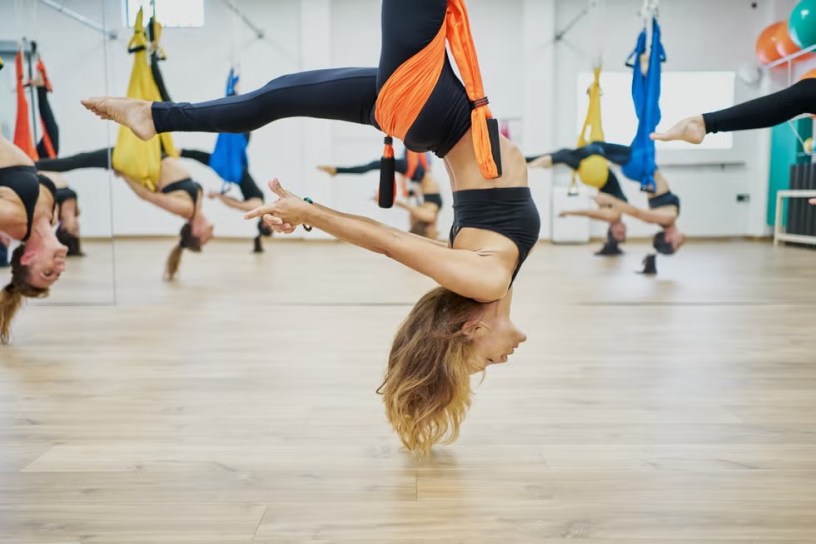
Aerial practice places very different demands on the body compared to mat based yoga. Hanging, inverting, gripping fabric, and moving through supported transitions require not only strength and coordination but also steady energy and proper hydration. Many practitioners in Singapore notice that how they eat and drink before class has a direct impact on comfort, balance, and stamina. When fuel is poorly timed or unsuitable, even a technically sound session of aerial yoga can feel heavy, dizzy, or draining.
Fueling aerial yoga is not about strict dieting or performance nutrition. It is about choosing hydration and light meals that support circulation, muscle engagement, and nervous system stability, especially in a warm and humid climate.
Why aerial yoga has unique fueling needs
Unlike floor based practices, aerial yoga introduces inversion, suspension, and grip demands. These elements affect digestion, blood flow, and fluid balance in noticeable ways.
Common sensations linked to poor fueling include:
-
Light headedness during inversions
-
Cramping in hands or feet
-
Fatigue midway through class
-
Nausea from heavy meals
Understanding how food and hydration interact with aerial movement helps practitioners feel supported rather than challenged by their practice.
Hydration and circulation in suspended movement
Water plays a critical role in joint lubrication, muscle contraction, and blood circulation. In aerial yoga, changes in body orientation affect how fluids shift within the body. Even mild dehydration can be amplified during inversions.
Hydration supports aerial yoga by:
-
Maintaining blood pressure stability during inversion
-
Supporting muscle endurance and grip strength
-
Reducing the risk of dizziness
-
Aiding post practice recovery
In Singapore’s climate, daily hydration matters as much as pre class intake. Relying only on water consumed right before practice is often insufficient.
How much water is enough
There is no universal number, but practical cues work better than rigid rules. Urine colour, thirst levels, and energy during practice offer useful feedback.
General hydration tips include:
-
Drinking steadily throughout the day
-
Avoiding large volumes immediately before class
-
Taking small sips if needed during breaks
-
Rehydrating after practice, especially if sweating heavily
Overhydration can also cause discomfort, so balance is key.
The role of electrolytes in aerial yoga
Electrolytes such as sodium, potassium, and magnesium help regulate muscle contractions and nerve signals. During aerial yoga, grip strength and sustained engagement place extra demand on these minerals.
Electrolyte support may help with:
-
Preventing hand and foot cramps
-
Maintaining consistent muscle activation
-
Supporting hydration at the cellular level
-
Reducing post class fatigue
In humid conditions or after a long workday, electrolytes can be particularly beneficial.
Choosing the right electrolyte sources
Not all electrolyte drinks are suitable for yoga. High sugar options may cause energy spikes and crashes, while artificial additives can irritate digestion.
Gentle electrolyte options include:
-
Coconut water diluted with plain water
-
Light electrolyte powders without excessive sweeteners
-
Homemade blends using water, a pinch of salt, and citrus
-
Foods naturally rich in minerals, such as bananas or leafy greens
Electrolytes are most effective when consumed earlier in the day rather than immediately before inversions.
Timing meals for aerial comfort
Meal timing matters more than meal size in aerial yoga. Digestion and inversion do not pair well, especially when meals are heavy or rich in fats.
A helpful guideline is to:
-
Eat a light meal 2 to 3 hours before class
-
Choose a small snack 60 to 90 minutes before if needed
-
Avoid eating immediately before practice
This allows digestion to settle while still providing energy.
What makes a good pre aerial yoga meal
The best meals are easy to digest, balanced, and familiar to the body. Aerial yoga does not require large energy stores, but it does benefit from steady blood sugar.
Suitable pre practice foods include:
-
Fruit with a small amount of protein
-
Yogurt with seeds or oats
-
Toast with nut butter
-
Rice or quinoa with light vegetables
Heavy sauces, fried foods, and very spicy meals often lead to discomfort during suspension.
Foods to approach with caution
Some foods are healthy in general but less suitable close to aerial practice due to digestion time or gas production.
Foods to be cautious with include:
-
Large portions of raw vegetables
-
Beans or lentils close to class
-
Carbonated drinks
-
Very high fat meals
Each body responds differently, so personal observation matters.
Post practice nutrition and recovery
After aerial yoga, the body benefits from replenishment rather than restriction. Muscles need nutrients to recover, and hydration supports tissue repair.
Post practice nourishment can include:
-
Water or light electrolytes
-
Balanced meals with carbohydrates and protein
-
Warm foods that support digestion
-
Magnesium rich foods for muscle relaxation
Eating mindfully after class helps maintain energy for the rest of the day or evening.
Supporting focus and breath through nutrition
Food affects not only physical comfort but also mental clarity. Blood sugar dips or digestive discomfort can distract attention and disrupt breathing patterns.
Balanced fueling helps:
-
Maintain steady focus during transitions
-
Support calm breathing
-
Reduce restlessness or lethargy
-
Enhance overall practice quality
When the body feels stable, the mind follows more easily.
Adapting fueling habits for different schedules
Many practitioners attend aerial yoga after work, early in the morning, or on weekends. Fueling strategies should adapt to timing rather than follow a single rule.
Examples include:
-
Morning classes with light fruit or warm drinks
-
Evening classes with an earlier dinner
-
Weekend classes with relaxed but mindful meals
-
Adjusting hydration based on daily activity levels
Consistency and awareness matter more than perfection.
Learning to listen to the body
There is no single ideal diet for aerial yoga. Bodies differ in digestion, sensitivity, and energy needs. The most reliable guide is personal experience combined with gentle experimentation.
Helpful practices include:
-
Keeping mental notes of what feels good
-
Noticing energy levels during class
-
Adjusting timing rather than food quality first
-
Avoiding sudden dietary changes before practice
Over time, patterns become clear and confidence grows.
Fueling guidance in a supportive studio environment
Professional guidance extends beyond poses. A supportive studio environment encourages awareness of rest, hydration, and recovery alongside movement.
At Yoga Edition, aerial yoga classes are structured to respect the body’s needs, with space for rest and mindful pacing. This approach helps practitioners tune into how fueling choices influence their experience, rather than pushing through discomfort.
Real-life FAQs
Q: Should I practise aerial yoga on an empty stomach?
A: Practising completely fasted can cause dizziness for some people. A light snack earlier in the day often provides better stability.
Q: Can I drink water during aerial yoga class?
A: Yes. Small sips during breaks are fine, but large amounts during inversions may feel uncomfortable.
Q: Are electrolyte drinks necessary for aerial yoga?
A: Not always. They are helpful if you sweat heavily, practise frequently, or feel prone to cramps or fatigue.
Q: What should I eat if I attend an evening aerial yoga class after work?
A: A light meal in the late afternoon works well, followed by practice and a balanced dinner afterwards.
Q: Can poor hydration affect grip strength in aerial yoga?
A: Yes. Dehydration can reduce muscle endurance and increase the risk of cramping, especially in the hands.
Q: How soon after aerial yoga should I eat?
A: Many people feel comfortable eating within 30 to 60 minutes after practice, once breathing and heart rate have settled.
By aligning hydration, electrolytes, and light meals with the demands of aerial yoga, practitioners can move with greater ease, stability, and enjoyment in every session.

