
Introduction: Dining in the Age of Experience
A restaurant is no longer merely a place to satisfy hunger—it is a curated experience, a social theatre, and a vessel of cultural expression. In today’s refined culinary landscape, dining out is about immersion, storytelling, and connection. As diners become more discerning and adventurous, restaurants are evolving into sophisticated sanctuaries of taste and ambiance. From neighborhood bistros to avant-garde tasting rooms, the modern restaurant has emerged as a pillar of urban sophistication and communal identity.
A Brief History of the Restaurant Concept
The origin of the modern restaurant dates back to 18th-century France, with the term derived from the French word “restaurer,” meaning “to restore.” Initially, it referred to health-giving broths sold to weary patrons. As the French Revolution displaced aristocratic chefs, they began opening public establishments, laying the foundation for the restaurant culture we know today. Over time, restaurants adapted to social change, economic shifts, and cultural trends—morphing from modest eateries to luxurious destinations, from fast-food counters to culinary laboratories.
Ambiance: The Unspoken Flavor
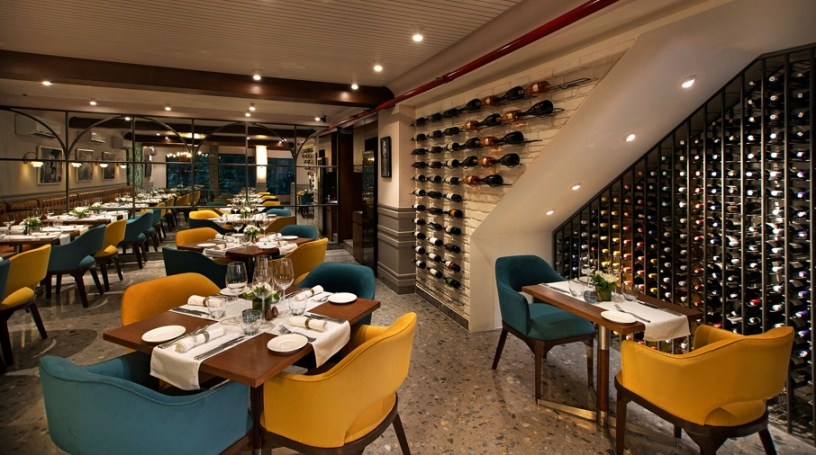
While cuisine forms the backbone of any restaurant, ambiance is the unspoken ingredient that elevates a meal to an experience. The interplay of design, lighting, acoustics, and scent can seduce the senses before a single dish arrives. An elegant chandelier, the quiet crackle of a fireplace, or the subdued rhythm of jazz drifting through the air can all shape a patron’s emotional response. Restaurants today design with intention, aware that décor and atmosphere are as memorable as the menu itself.
The Menu as a Mirror of Identity
A restaurant’s menu is more than a list of offerings—it’s a manifesto, a reflection of values, vision, and heritage. In an era of culinary curiosity, chefs craft menus that blend tradition with innovation. This evolution has given rise to several defining trends:
-
Hyper-Local Sourcing: Restaurants increasingly partner with nearby farms, dairies, and fisheries to offer ingredients with traceable origins and vibrant freshness.
-
Seasonal and Rotating Menus: Chefs create dishes that align with the rhythms of nature, offering diners new experiences throughout the year.
-
Global Fusion: Ingredients and techniques from diverse cultures merge to form inventive, boundary-pushing dishes.
-
Plant-Based Elevation: Vegetarian and vegan fare now rivals their meat-based counterparts in creativity and flavor, appealing to health- and planet-conscious patrons.
Service: The Human Touch
Service remains one of the most defining elements of a restaurant experience. While cuisine attracts attention, it is the service that makes a lasting impression. Attentive yet unobtrusive servers, knowledgeable sommeliers, and gracious hosts are vital to creating a sense of welcome and care. In fine dining, service is choreographed with precision and elegance. In casual settings, warmth and familiarity create a home-like atmosphere. Regardless of format, the human touch is indispensable and irreplaceable.
Technology: Enhancing, Not Replacing
Technology has found its place in the restaurant industry—not to replace tradition, but to refine and streamline it. Digital reservations, contactless payments, and app-based loyalty programs have become standard conveniences. Behind the scenes, AI-powered systems optimize inventory, monitor energy usage, and predict trends. However, the most successful establishments use technology sparingly and tastefully, ensuring it complements rather than dominates the sensory experience.
Restaurants as Cultural Storytellers
Restaurants are among the most accessible forms of cultural storytelling. They preserve heritage, promote dialogue, and introduce unfamiliar cuisines to broader audiences. A single meal can convey centuries of tradition, migration, and adaptation. Through dishes, diners gain insights into rituals, regions, and relationships. When chefs honor their roots while embracing innovation, they elevate cuisine into a form of living history.
Community Anchors and Social Spaces
Beyond their culinary contributions, restaurants function as vital social hubs. They host first dates, family celebrations, business deals, and quiet moments of solitude. Especially in smaller towns and neighborhoods, local restaurants become cherished institutions—part of the community’s heartbeat. These spaces create jobs, support local economies, and offer inclusive environments where people from all walks of life gather and connect.
Challenges in a Changing Industry
The restaurant world is not without its challenges. Operators face rising food costs, labor shortages, and tightening profit margins. The impact of global events, such as pandemics or economic downturns, can be swift and severe. Additionally, sustainability pressures have grown more urgent. Diners now expect restaurants to reduce waste, minimize their carbon footprint, and support ethical sourcing. Meeting these expectations requires innovation, investment, and resilience.
The Rise of Experiential Dining
In recent years, the concept of experiential dining has gained momentum. Patrons seek not only exquisite food but also immersive narratives. Restaurants respond with multi-course tasting menus, open kitchens, chef’s tables, and thematic décor. Some offer interactive elements—such as cooking demonstrations, wine pairings, or farm visits—to deepen engagement. This transformation underscores a fundamental truth: people crave meaning in their meals.
What Sets a Great Restaurant Apart
While tastes and trends may shift, certain qualities remain timeless markers of an exceptional restaurant:
-
Consistency: Delivering high standards of food and service, visit after visit
-
Authenticity: Remaining true to the culinary vision and cultural roots
-
Innovation: Adapting and evolving without losing integrity
-
Atmosphere: Offering a space that feels both welcoming and distinctive
-
Passion: A palpable love for food, hospitality, and people
Conclusion: The Future on a Plate
The modern restaurant is a reflection of our evolving tastes, values, and aspirations. It is where creativity meets commerce, where chefs become artists, and where strangers become companions. As we move into an era defined by conscious consumption, global curiosity, and digital convenience, the restaurant must continue to balance innovation with authenticity. What will never change, however, is the timeless allure of gathering around a table to share a beautifully crafted meal. The true magic of a restaurant lies not just in what’s on the plate, but in the moments and memories it helps create.

