
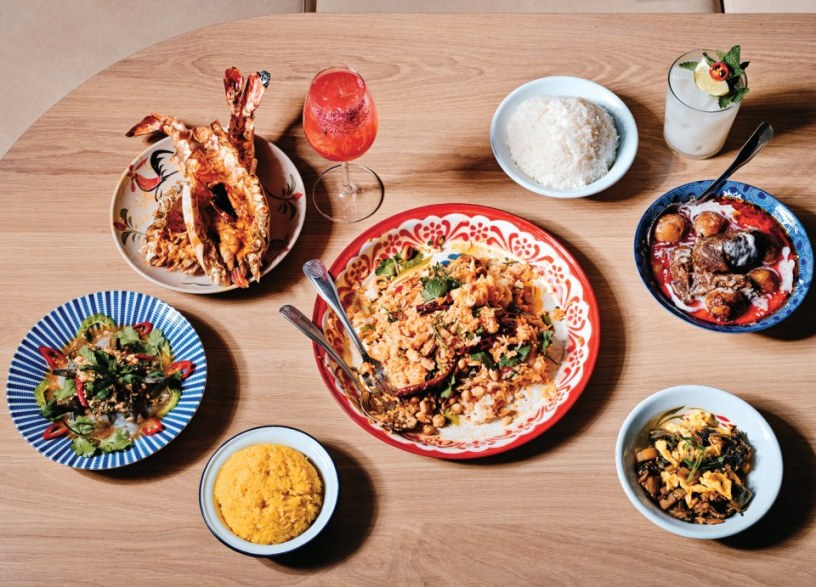
Introduction: A New Era of Culinary Storytelling
In the digital age, food has become more than sustenance—it is spectacle, culture, and conversation. With the rise of social media, food reviews have evolved from niche newspaper columns to a global chorus of voices capturing the culinary experience. However, amidst this abundance of opinions, discerning and impactful food reviews stand out not for their volume, but for their depth. Writing a meaningful food review is not simply about stating whether a dish was good or bad. It’s about evoking a moment, decoding flavors, and contextualizing food within its broader cultural and emotional setting.
Why Food Reviews Matter
A food review holds power. It can elevate a humble eatery into a cult favorite or guide travelers to hidden gems tucked into quiet corners of a city. Reviews are not only guides for consumers but also feedback for chefs and restaurateurs, bridging the gap between the creator and the diner.
The relevance of food reviews lies in their dual purpose:
-
Narrative Influence: A good review tells a story, offering a sensory snapshot of an experience.
-
Consumer Guidance: Readers rely on credible reviews to navigate the growing expanse of dining choices.
Thus, a review becomes more than commentary; it transforms into a curated map of taste, experience, and atmosphere.
The Anatomy of an Exceptional Food Review
While anyone can comment on a meal, writing a review that informs and resonates requires thoughtful structure and precision. Below are the key components that form the backbone of a compelling food review:
1. The Setting and Context
Begin by framing the scene. Was the restaurant a quaint café on a rainy afternoon or a bustling bistro in the heart of the city? Context creates atmosphere and helps the reader visualize the experience.
-
Mention the occasion or reason for the visit
-
Describe the ambience and location with nuance
-
Include details about the staff’s demeanor and hospitality
2. The Dish in Detail
This is the heart of the review. Describe the dishes with clarity and depth, allowing the reader to almost taste them through your words.
Consider focusing on:
-
Flavor: Is it bold, subtle, harmonious, or surprising?
-
Texture: Is the crust crisp, the filling smooth, or the sauce velvety?
-
Presentation: Does the plating reflect elegance, creativity, or rustic charm?
-
Portion size and value: Is the dish satisfying and appropriately priced?
Avoid generic adjectives like “nice” or “tasty.” Instead, use evocative, precise language that paints a vivid picture.
3. The Balance of Praise and Critique
A thoughtful review is honest but never harsh. If a dish falls short, explain why constructively.
-
Was the seasoning lacking depth?
-
Did the presentation not match the dish’s complexity?
-
Were the flavors clashing or underdeveloped?
Equally, when a dish delights, describe the specific elements that made it exceptional. Celebrating a chef’s creativity or a dish’s emotional impact adds personality to the review.
4. Cultural and Culinary Context
Going beyond the plate means recognizing the cultural or historical relevance of a dish. This adds an extra layer of sophistication to your review.
-
Highlight traditional influences or modern reinterpretations
-
Note ingredient origins or sustainability considerations
-
Acknowledge the chef’s philosophy or culinary background
This approach not only educates readers but also enriches the narrative with meaning.
5. A Cohesive Conclusion
Wrap up with a clear reflection. Would you return? Who would enjoy this experience—casual diners, date-night couples, or adventurous foodies? A concise, insightful summary provides closure and leaves a lasting impression.
The Language of Taste: Writing with Elegance
The success of a food review is as much about writing as it is about eating. A refined tone and varied sentence structure can transform a routine commentary into a sensory experience.
-
Use metaphor sparingly: “The soup embraced the palate like a silk shawl” works better than overused phrases like “melt-in-your-mouth.”
-
Vary sentence rhythm: Mix short, punchy observations with longer, descriptive passages to create a natural flow.
-
Maintain authenticity: Your voice should be honest, intelligent, and approachable. Readers trust reviewers who sound genuine, not affected.
Modern Mediums and the Influence of Technology
With platforms like Instagram, TikTok, and YouTube, food reviews are increasingly visual and immediate. While this evolution has expanded accessibility, it also brings challenges.
Advantages of modern reviews:
-
Real-time impressions from a wide range of voices
-
Visual storytelling that enhances the sensory experience
-
Increased awareness of diverse cuisines and cultures
Drawbacks to be mindful of:
-
Overemphasis on aesthetics over flavor
-
Instant gratification replacing thoughtful critique
-
Influence of trends that may overlook quality
Still, long-form written reviews remain essential for those seeking depth and detail, especially for sophisticated or complex culinary experiences.
Ethical Considerations in Food Reviewing
In a world where reviews can shape reputations, ethics must remain at the forefront. A responsible food critic:
-
Discloses if a meal was complimentary or sponsored
-
Remains impartial and fair in assessment
-
Avoids hyperbole and personal bias
-
Understands the cultural context of a dish before critique
Criticism should serve as constructive dialogue, not as entertainment at someone’s expense.
Conclusion: The Art of Tasting and Telling
Writing a great food review is both a science and an art. It requires a trained palate, a curious mind, and a storyteller’s flair. It’s about translating fleeting flavors into enduring impressions and sharing the emotional resonance of a meal with those who may never taste it themselves.
In a world overwhelmed by noise, let your reviews be a thoughtful pause—a quiet, vivid reflection that honors the food, the people behind it, and the culture it represents. Whether you’re chronicling a Michelin-star experience or the magic of a street-side taco, remember: behind every bite lies a story worth telling with care, clarity, and culinary grace.

