
Introduction: More Than Just a Place to Eat
In the heart of every bustling city, along quiet coastal towns, or nestled in rustic countryside lanes, restaurants have become sanctuaries of taste, culture, and human connection. They are no longer mere venues for nourishment—they are curated experiences, architectural statements, and cultural ambassadors. The modern restaurant, whether a Michelin-starred establishment or a humble local eatery, tells a story. That story, layered in flavor and texture, invites patrons into a shared sensory journey.
The History Behind the Plate
The word “restaurant” traces its origins to 18th-century France, where it originally referred to a “restorative” broth served in public houses. From those modest beginnings, the concept blossomed during the French Revolution when chefs formerly employed by aristocrats opened their kitchens to the public. The evolution of restaurants reflects society’s changing relationship with food, hospitality, and community. Over time, these establishments transitioned from basic eateries into hubs of creativity, innovation, and social engagement.
Ambience: The Silent Ingredient
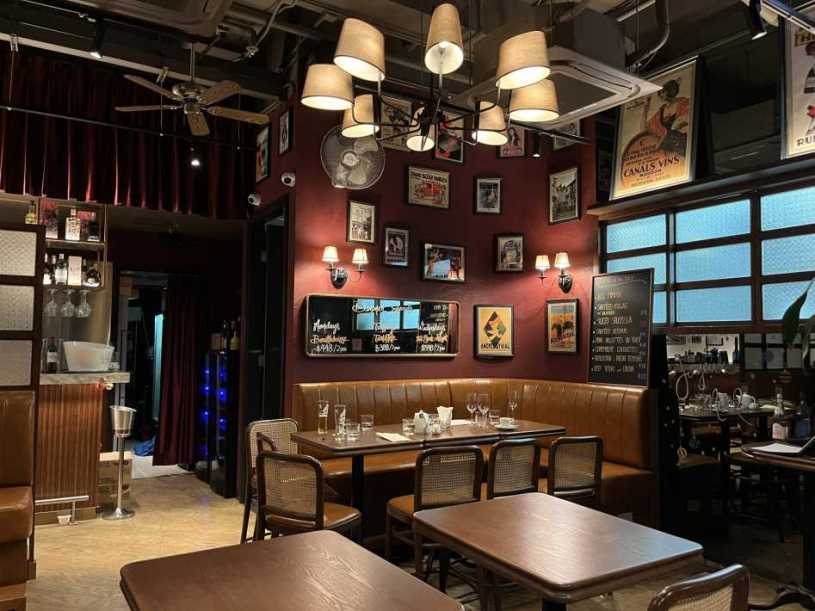
While food is undeniably the core of a restaurant’s appeal, ambience plays an equally vital role. The lighting, music, furniture, spatial layout, and even scent all contribute to an environment that either relaxes or energizes. Diners today are more discerning than ever, valuing a holistic dining experience. Whether it’s the rustic charm of exposed brick walls and candlelight or the sleek minimalism of Scandinavian design, the visual and tactile elements serve to enhance the meal and linger in memory long after the last bite.
Cuisine as Identity and Exploration
Restaurants are increasingly serving as gateways to global exploration. A single menu can transport diners to the bustling streets of Bangkok, the vineyards of Tuscany, or the mountains of Oaxaca. This isn’t mere globalization—it’s culinary diplomacy. The modern chef is often part artist, part historian, part cultural curator. Through thoughtfully designed dishes, they communicate heritage, innovation, and emotion.
Key culinary trends shaping today’s restaurant scene include:
-
Farm-to-Table Movement: Emphasizing fresh, local, and seasonal produce, this philosophy strengthens community ties and supports sustainability.
-
Fusion Cuisine: Blending flavors and techniques from different regions to create bold, imaginative dishes.
-
Plant-Based Innovation: Vegetarian and vegan menus are no longer niche—they’re now platforms for remarkable creativity.
-
Ethical Sourcing: From fair-trade coffee to sustainably caught seafood, transparency is becoming a non-negotiable expectation.
Service as Theatre
In fine dining especially, service becomes an art form. A truly memorable restaurant experience depends on impeccable hospitality—gracious hosts, knowledgeable servers, and seamless coordination. The best establishments understand that good service isn’t about subservience; it’s about anticipation, discretion, and sincere warmth. In casual dining, a friendly rapport can often matter just as much as the food. Patrons return not only for a dish they enjoyed but for how they were made to feel.
Technology’s Tasteful Integration
Technology has revolutionized the restaurant industry without necessarily removing its soul. From online reservations and QR code menus to AI-powered inventory systems, digital tools now enhance both efficiency and personalization. Smart kitchens track food waste, apps suggest wine pairings, and customer data helps tailor experiences. However, the most respected restaurants wield technology with restraint—using it to elevate the human element, not replace it.
Designing for the Senses
Restaurants are increasingly designing spaces that cater to all five senses. It’s not just about how a dish tastes—it’s about how it looks on the plate, how it sounds as it’s served, how it smells when placed in front of you, and how it feels to sit in the space. Multi-sensory design engages patrons in more immersive ways, often subconsciously influencing their perception of flavor and satisfaction.
Community and Cultural Relevance
Beyond their culinary offerings, restaurants often become cultural cornerstones. They provide spaces for celebration, discussion, romance, and reflection. A beloved neighborhood bistro can be as cherished as a museum or theatre. These establishments, especially local ones, often act as economic drivers and cultural ambassadors—offering jobs, sourcing locally, and preserving traditional recipes. When a community loses a restaurant, it loses more than a place to eat—it loses a piece of its cultural fabric.
Challenges in the Modern Culinary Landscape
Despite their allure, restaurants face an array of challenges in the contemporary world:
-
Rising Operational Costs: Rent, labor, and ingredient costs continue to soar, especially in metropolitan areas.
-
Staffing Shortages: Attracting and retaining skilled culinary and hospitality talent remains an industry-wide concern.
-
Sustainability Pressure: Balancing environmental responsibility with profitability is a constant tension.
-
Changing Consumer Expectations: Health consciousness, dietary restrictions, and social media influence continue to shape demand.
The Art of Reinvention
The restaurants that endure—those that truly thrive—do so by embracing reinvention. Whether it’s updating a menu with seasonal ingredients, rethinking interior design, or reimagining service models for delivery and takeaway, adaptability is essential. Yet, amid all this innovation, successful restaurateurs hold fast to one principle: authenticity. Patrons crave experiences that are not only novel but sincere. A restaurant with a soul will always find its audience.
Conclusion: Where Memory Meets Flavor
A restaurant, at its finest, is an intersection of art, culture, and community—a place where senses awaken and memories are forged. Long after the flavors fade from the tongue, what remains is the warmth of shared laughter, the beauty of presentation, and the comfort of being cared for. In a fast-paced, digital world, restaurants offer a rare and precious form of human connection. They remind us that food is not just sustenance; it is storytelling, love, and celebration. And that, perhaps, is the true magic simmering behind every kitchen door.

