
Introduction: More Than Just Meals—A Lifestyle of Intention
In an era where chaos often rules the calendar, carving out time for thoughtful meal planning and preparation is an act of elegant rebellion. It is a quiet declaration that health, harmony, and nourishment deserve a place in the daily rhythm of life. Far from being a mundane chore, meal planning is a refined skill that blends culinary strategy with personal care, elevating your relationship with food into something purposeful and even artful.
This guide explores the nuances of effective meal planning and prep, offering a blend of practical tips and thoughtful perspectives for those seeking to bring more balance, clarity, and flavor to their everyday eating habits.
The Philosophy Behind Meal Planning
Meal planning is not just about what ends up on your plate—it’s about reclaiming control over your time, wellness, and mental energy. The benefits ripple across all areas of life:
-
Wellness and Nutrition: Intentional meals allow for balanced macronutrients, thoughtful ingredient choices, and reduced reliance on processed foods.
-
Time Efficiency: With a weekly plan, you can reduce the need for daily decision-making, freeing up mental bandwidth for other pursuits.
-
Financial Savvy: Smart planning limits impulsive spending, helps you use pantry staples effectively, and reduces food waste.
-
Reduced Stress: Knowing what’s for dinner before the day begins removes the ever-present question: “What should I eat tonight?”
Laying the Foundation: The Weekly Planning Ritual
Establishing a dedicated time each week to plan meals is key. Many find Sunday afternoons ideal—a quiet moment to reflect on the week ahead and align meals with lifestyle demands.
Start with These Steps:
-
Review Your Calendar: Note any late workdays, social engagements, or travel. Your meal complexity should reflect your availability.
-
Inventory Your Kitchen: Take stock of what’s already in your fridge, freezer, and pantry. Use these items as inspiration to minimize waste.
-
Create a Balanced Menu: Incorporate lean proteins, whole grains, healthy fats, and seasonal vegetables. A variety of colors and cuisines ensures meals remain exciting.
-
Designate Themes if Needed: Simple theme nights (like Mediterranean Mondays or Pasta Fridays) can help provide structure and creativity.
Smart Grocery Shopping: The Art of the Curated List
Once your meals are planned, the next step is a purposeful grocery list. This isn’t just about grabbing items—it’s about creating a well-edited collection of ingredients that will support your goals for the week.
Tips for Refined Grocery Runs:
-
Organize by Store Section: Group items by produce, dairy, protein, pantry, and frozen goods for efficiency.
-
Stick to the Plan: Avoid adding impulse items unless they truly enhance your weekly menu.
-
Choose Versatile Ingredients: Items like fresh herbs, lemon, garlic, olive oil, and quality grains add dimension and can be used in multiple dishes.
-
Embrace the Season: Seasonal fruits and vegetables are not only more flavorful, but often more affordable.
Prepping with Purpose: Elegant Simplicity in Action
Meal prep does not demand cooking every dish in advance. Instead, it’s about preparing key elements to make daily meal assembly swift and seamless.
Strategies for a Streamlined Prep Session:
-
Batch Cook Staples: Grains (such as farro or brown rice), proteins (like grilled chicken or chickpeas), and roasted vegetables can be made in larger quantities.
-
Prep Produce: Wash, peel, and chop vegetables and fruits so they’re ready to go. This encourages more frequent use and reduces waste.
-
Mix & Match Components: Prepare a few interchangeable parts—such as a dressing, a grain, a protein, and a green—and create new combinations throughout the week.
-
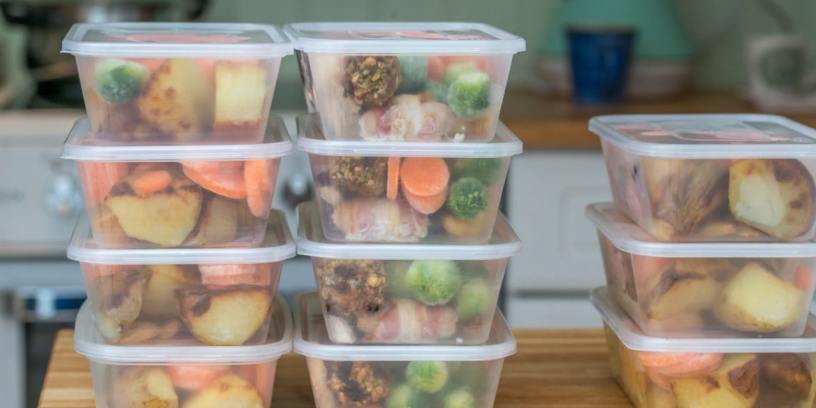
Portion for the Week: Use containers to organize meals by day or meal type. Clear, stackable containers make it easy to grab-and-go or reheat.
Sample Weekly Menu: Balanced, Flexible, and Flavorful
| Day | Lunch | Dinner |
|---|---|---|
| Monday | Lentil and arugula grain bowl | Baked salmon with herbed couscous |
| Tuesday | Turkey and hummus wrap | Chickpea curry with brown rice |
| Wednesday | Quinoa tabbouleh with feta | Grilled chicken with roasted root veg |
| Thursday | Vegetable stir-fry with tofu | Pasta primavera with parmesan |
| Friday | Leftover salmon salad | Takeout or homemade pizza night |
This type of menu creates balance between home cooking, ease, and flexibility. Feel free to swap dishes or double up when needed.
Elevating the Experience: From Routine to Ritual
Meal planning becomes more enjoyable when treated as a lifestyle choice rather than an obligation. Here are ways to elevate the process:
-
Cook with Ambience: Play classical music or a favorite podcast while prepping—it adds warmth to the experience.
-
Choose Aesthetic Storage: Investing in quality glass containers or bamboo cutting boards enhances the visual pleasure of your kitchen rituals.
-
Use Sundays for Flavor Experiments: Try new spices, grains, or international dishes when time allows.
-
Celebrate the Small Wins: Enjoy the satisfaction of a week’s worth of meals ready and waiting. That’s modern luxury.
Adapting to Challenges: Flexibility is Key
Even the best plans sometimes meet unexpected changes. A meeting runs late, ingredients run short, or you simply don’t feel like cooking. That’s when flexibility becomes your ally.
Suggestions for Handling the Unexpected:
-
Keep a Few Frozen Backups: Items like frozen veggies, shrimp, or premade soups can save the day.
-
Use Leftovers Creatively: Yesterday’s roasted veggies can become today’s salad or omelet filling.
-
Be Kind to Yourself: It’s perfectly acceptable to deviate from the plan. What matters most is consistency over perfection.
Conclusion: A Culinary Compass for Daily Life
Mastering meal planning and prep is not just about efficiency—it’s about designing a life that values nourishment, thoughtfulness, and grace. It reflects a mindset of living intentionally, where meals are not afterthoughts but deliberate expressions of care and creativity.
By carving out time for this weekly rhythm, you not only streamline your days but also deepen your appreciation for the act of feeding yourself well. It’s a gift, a habit, and an expression of self-respect. Whether you’re a seasoned home cook or a newcomer to the kitchen, meal planning is a timeless practice that brings order, elegance, and enjoyment to modern life.

