
Introduction: A Toast to Human Culture
From the earliest fermented meads of ancient civilizations to the expertly brewed specialty coffees of modern cafés, beverages have played a central role in shaping culture, identity, and even ritual. Drinks are far more than a means to hydrate; they are vessels of history, artistry, and community. The beverage industry today is a vibrant blend of heritage and innovation, where traditional drinks coexist with imaginative concoctions designed to please the palate and nourish the body.
The Historical Evolution of Beverages
The story of beverages is as old as civilization itself. Ancient texts from Mesopotamia mention beer as early as 4000 BCE, while Chinese scrolls speak of tea leaves being infused in water nearly 5000 years ago. These were not merely drinks but pivotal elements of religious, medicinal, and social life.
-
Wine, once called the nectar of the gods, was a staple in Greco-Roman banquets.
-
Tea became a symbol of Zen philosophy and mindfulness in the East.
-
Coffee, introduced through Arab trade routes, sparked the Age of Enlightenment in European salons.
Each beverage carries the essence of its origin, infusing modern life with echoes of the past.
Categories of Beverages: More Than Meets the Glass
The world of beverages is vast and richly diverse. Here’s a look at the primary categories:
1. Non-Alcoholic Beverages
These are the everyday refreshments that span from plain water to gourmet juices and smoothies.
-
Water: Still, sparkling, mineral-infused—simple yet essential.
-
Juices: Freshly squeezed or cold-pressed, juices are a natural source of vitamins and antioxidants.
-
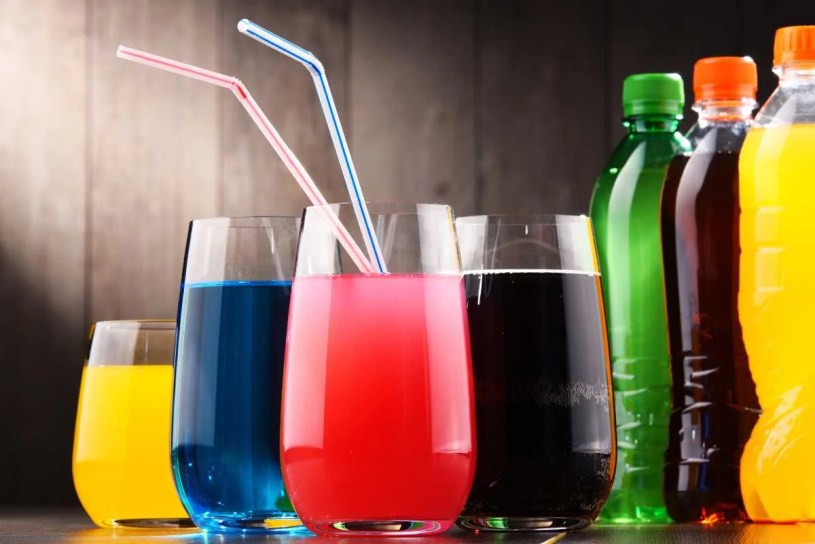
Sodas and Soft Drinks: Often carbonated and sweetened, these drinks remain a popular indulgence despite health debates.
-
Coffee and Tea: Global icons in their own right, these drinks vary immensely by region, roast, and ritual.
2. Alcoholic Beverages
Alcoholic drinks are steeped in cultural tradition and artisanal skill.
-
Beer: From robust stouts to crisp lagers, beer brewing is both a science and an art.
-
Wine: Tied deeply to terroir, wine is a symphony of grapes, climate, and aging.
-
Spirits: Whiskies, vodkas, rums, and gins each have distinctive profiles shaped by their ingredients and distillation processes.
-
Cocktails: A blend of technique and flair, cocktails allow for infinite creativity, balancing bitters, sweetness, and aromatics.
The Rise of Wellness Beverages
As consumers become increasingly health-conscious, the beverage industry has evolved to meet modern demands.
-
Functional Drinks: These include drinks infused with vitamins, adaptogens, or probiotics. Kombucha, for instance, combines ancient fermentation with contemporary gut-health awareness.
-
Plant-Based Milks: Almond, oat, soy, and coconut milks offer dairy alternatives that are both ethical and digestible.
-
Infused Waters: Subtle blends of fruit, herbs, and botanicals appeal to those seeking hydration with flair, without added sugars.
This category is proof that wellness and indulgence can coexist in the same bottle.
Craftsmanship and Innovation: A Renaissance in a Glass
Artisanal beverages are seeing a renaissance, driven by a desire for quality, provenance, and personal connection.
-
Craft Coffee: From single-origin beans to pour-over brewing, coffee has been elevated to an experience rather than a routine.
-
Natural Wines: Made with minimal intervention, these wines emphasize authenticity over polish.
-
Microbreweries: Local breweries craft beers that reflect the tastes and cultures of their communities.
-
Mixology: Bartenders now embrace the title of mixologists, crafting drinks with culinary precision and artistic flair.
Innovation isn’t just about taste—it also encompasses sustainability, packaging, and ethical sourcing.
Social and Cultural Significance
Drinks are often the centerpiece of gatherings, whether celebratory or solemn. A cup of tea shared between friends, a toast at a wedding, or even the quiet ritual of a morning espresso—they all signal connection.
-
Ceremonial Beverages: Think Japanese matcha ceremonies or the breaking of champagne on a new ship.
-
Social Status: Some beverages, like fine wines or aged whiskies, denote taste, refinement, and exclusivity.
-
Everyday Comforts: A cup of hot cocoa on a winter evening or lemonade on a summer day can anchor us emotionally.
Beverages embody hospitality, tradition, and identity in deeply personal ways.
The Future of Beverages: Sustainability and Personalization
Looking ahead, the beverage industry is aligning with two major consumer trends: environmental awareness and personalization.
-
Eco-Packaging: Biodegradable bottles, refillable growlers, and reduced plastic use are becoming standard.
-
Smart Beverages: Drinks customized through apps or devices to match nutritional needs or taste preferences.
-
Zero-Proof Options: The sober-curious movement is fueling the rise of non-alcoholic wines, beers, and cocktail alternatives that offer complexity without intoxication.
Technology and sustainability are not just reshaping what we drink, but how we relate to our drinks.
Conclusion: More Than a Drink
Drinks and beverages are more than a thirst-quencher. They are a mirror of human progress, a bridge between cultures, and an expression of personal and collective identity. Whether enjoyed in solitude or celebration, each sip carries layers of story, science, and sentiment.
As we continue to innovate and refine, the world of beverages remains an ever-refreshing journey—one that invites us to pause, savor, and connect.

