
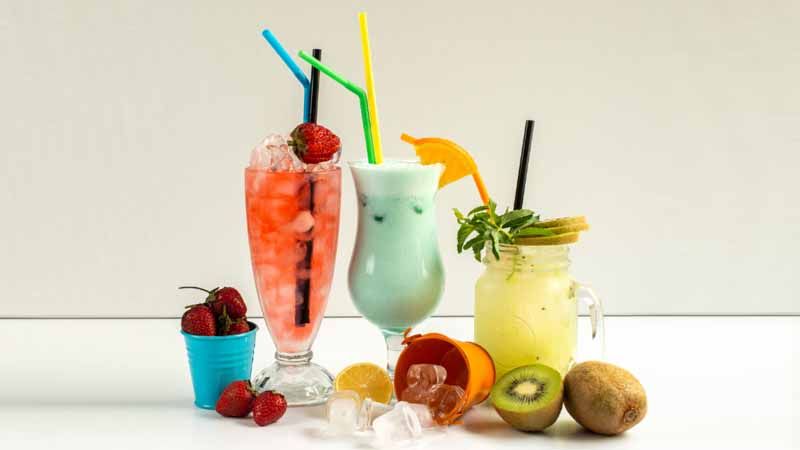
Raising the Glass: An Elegant Exploration into the World of Drinks & Beverages
Introduction: More Than a Sip
Across all cultures and climates, drinks and beverages are not just refreshments; they are experiences. From the ritualistic sipping of green tea in Kyoto to a celebratory champagne toast in Paris, drinks connect us to our senses, our surroundings, and each other. These liquid companions to our meals and moments come in infinite forms—each with a story, a purpose, and a cultural heartbeat.
In today’s beverage landscape, the simple act of sipping is intertwined with craftsmanship, health consciousness, and sustainability. Let’s delve into this refined world and explore what makes drinks and beverages such an essential—and often overlooked—facet of modern life.
The Evolution of Beverages: A Brief Historical Reflection
Since ancient times, humanity has sought ways to enhance the act of drinking. Beverages began not merely as sources of hydration, but as tools for healing, symbols of status, and anchors of tradition.
-
Early Civilizations: Ancient Egyptians brewed beer as early as 3000 BCE, while the Chinese were crafting herbal infusions that predate recorded history.
-
The Spread of Tea and Coffee: Both began as medicinal brews, only to become vital cultural phenomena across Asia, the Middle East, and Europe.
-
Colonial Influence: The age of exploration and colonization helped spread cacao, coffee beans, sugarcane, and tea leaves across continents, shaping global trade and tastes.
The evolution of beverages mirrors the evolution of civilization itself—complex, storied, and deeply intertwined with human advancement.
Categories of Beverages: The Spectrum of Taste and Purpose
Understanding the breadth of beverages begins by categorizing them. Each category offers its own pleasures, benefits, and cultural nuances.
1. Non-Alcoholic Beverages
These drinks range from the everyday to the extraordinary, and they cater to all ages and occasions.
-
Water: Still, sparkling, mineral, or infused—water remains the most essential drink. In premium circles, water tasting is even an art.
-
Juices and Smoothies: Fresh-pressed or cold-blended, these deliver natural sweetness with added nutrients.
-
Soft Drinks: Though often seen as indulgent, artisanal sodas are emerging as sophisticated, low-sugar alternatives.
-
Tea: Whether green, black, oolong, or herbal, tea is a ritual drink in many cultures, often linked with calmness, hospitality, and focus.
-
Coffee: A global powerhouse, coffee serves both as a morning necessity and an artistic endeavor, from Italian espresso to Ethiopian pour-overs.
2. Alcoholic Beverages
Alcoholic drinks offer depth, complexity, and cultural identity. Whether enjoyed responsibly or ceremonially, they hold a significant place in social rituals.
-
Wine: The terroir-driven nature of wine allows it to speak of geography, climate, and tradition. Each bottle is a time capsule of craftsmanship.
-
Beer: From German lagers to hoppy American IPAs, beer is the most democratic of alcoholic beverages—diverse, local, and endlessly creative.
-
Spirits: Distilled drinks like whisky, rum, vodka, and gin form the basis of countless cocktails. Their diversity lies in origin, aging, and ingredients.
-
Cocktails: A realm of artistic experimentation, cocktails are a blend of mixology, storytelling, and sensory delight.
The Rise of Wellness and Functional Beverages
As modern lifestyles evolve, so too do our expectations from beverages. More than taste, we now seek drinks that nourish, energize, and restore.
-
Plant-Based Milks: Almond, oat, and soy milks offer dairy-free alternatives for the health-conscious and lactose-intolerant alike.
-
Kombucha and Fermented Drinks: Rich in probiotics, these drinks support gut health and offer a tangy twist to wellness routines.
-
Adaptogen-Infused Beverages: Including herbs like ashwagandha and reishi, these aim to reduce stress and balance the body’s natural rhythms.
-
Electrolyte Waters and Protein Drinks: Designed for fitness and recovery, these products marry hydration with functionality.
This growing sector proves that drinks can do more than taste good—they can also be good for you.
Craftsmanship in a Glass: The Rise of Artisanal Beverages
Amid global trends of mass production, a countermovement has risen—one that values process, story, and detail.
-
Craft Coffee and Third-Wave Cafés: These establishments treat beans like wine, focusing on origin, roast profile, and method of extraction.
-
Microbreweries: Often deeply local, these breweries experiment with ingredients and techniques to create beers with personality.
-
Natural Wines: Minimal intervention, native yeasts, and sustainable viticulture have redefined how wine lovers appreciate the grape.
-
Boutique Mixology: Bar menus increasingly read like tasting journeys, highlighting seasonal ingredients, obscure liqueurs, and house-made syrups.
The artistry of beverages is a response to our desire for authenticity and connection in an age of excess.
Sustainability and Ethical Sourcing: A Conscious Shift
Modern consumers are increasingly aware of the environmental and ethical implications of what they consume—and drink.
-
Sustainable Packaging: Glass over plastic, biodegradable cups, and aluminum over composite materials are becoming norms.
-
Fair Trade and Direct Sourcing: Particularly in coffee and tea, ethical labor practices are influencing where and how we buy.
-
Zero-Waste Bars: Forward-thinking mixologists now reuse ingredients like citrus peels and herbs to minimize waste.
The beverage industry, once a major contributor to pollution, is slowly shifting toward a greener, more responsible future.
Social Significance and Rituals
Drinks are at the heart of social gatherings, both grand and humble. They are tools of hospitality, celebration, and even mourning.
-
Ceremonial Importance: Japanese tea ceremonies, Indian wedding drinks, and Jewish kiddush wines all signify cultural depth.
-
Shared Experiences: Whether it’s clinking glasses at a dinner party or grabbing bubble tea with friends, drinks foster connection.
-
Moments of Pause: A quiet glass of wine, a solo espresso at sunrise—these moments are deeply personal and reflective.
In many ways, beverages are the punctuation marks in the sentences of our lives.
The Future of Beverages: Personalized, Smart, and Inventive
What lies ahead for the drink industry? Innovation is flowing fast, and it’s as refreshing as the products themselves.
-
AI-Curated Drinks: Technology is now being used to create personalized drink recommendations based on taste profiles and health data.
-
Functional Hybrids: Think coffee with collagen or wine with resveratrol boosts—blends that offer multiple benefits in a single glass.
-
Cultural Fusion Drinks: East meets West in beverages like matcha lattes or turmeric kombucha, fusing traditions into modern trends.
-
Zero-Alcohol Excellence: The rise of no-proof spirits and mocktails proves that sophistication doesn’t require intoxication.
As palates expand and health takes center stage, drinks will continue evolving—balancing indulgence with intention.
Final Thoughts: The Elegance of Every Sip
Beverages are more than liquids. They are stories in a cup, reflections of culture, and rituals in motion. They refresh, relax, and revive. From sparkling waters to barrel-aged whiskies, from a child’s first sip of hot cocoa to a sommelier’s vintage tasting, each drink has its place.
In the world of drinks and beverages, one finds not just flavor, but meaning—and in that, an endless world to explore, savor, and celebrate.

