
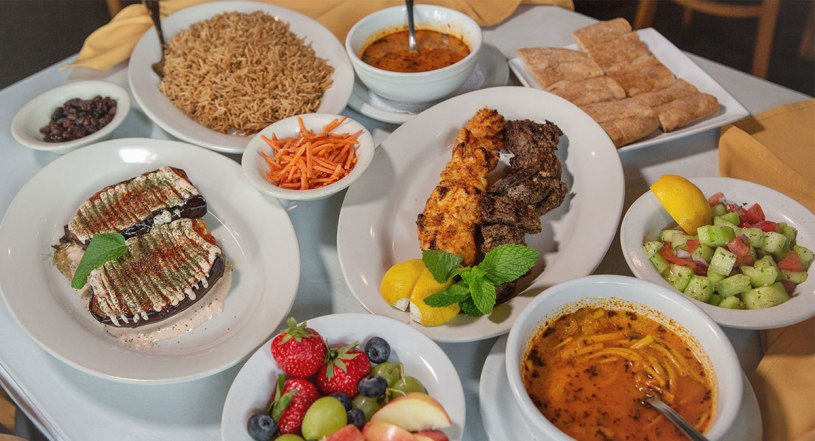
Food is a universal language, transcending borders and cultures to unite people in shared experience and sustenance. Yet, beyond mere nourishment, food embodies a rich tapestry of meaning, tradition, and innovation. It influences how we live, connect, and even perceive ourselves. In this exploration, we delve into the multifaceted nature of food—its cultural significance, scientific underpinnings, emotional resonance, and the evolving landscape of modern eating.
The Cultural Significance of Food: A Mirror to Society
Food serves as a vibrant expression of cultural identity. Every region and community has its culinary signature, shaped by geography, climate, history, and values. These elements combine to create dishes that tell stories of a people’s journey through time.
Traditional recipes, passed down through generations, act as living legacies that preserve heritage. Consider the intricate spices of Moroccan tagines or the precise techniques of French patisserie—each dish embodies centuries of knowledge and local adaptation. Food festivals and communal meals often punctuate cultural calendars, reinforcing social bonds and collective memory.
Moreover, food is a conduit for cultural exchange. Globalization and migration have facilitated the blending of culinary traditions, giving rise to fusion cuisines that celebrate diversity and creativity. Through food, we not only savor flavors but also embrace stories, rituals, and worldviews.
The Science Behind the Culinary Craft
While food delights the senses, it also intrigues the intellect. Cooking is fundamentally a scientific process where chemistry and physics govern transformations.
The Maillard reaction, responsible for the golden crust on roasted meats and breads, illustrates how amino acids and sugars react under heat to produce complex flavors and aromas. Fermentation, a process used in everything from yogurt to kimchi, relies on microbial activity to enhance taste, texture, and nutritional value.
Understanding these mechanisms allows chefs and home cooks alike to elevate their craft. The precise balance of acidity, sweetness, saltiness, and bitterness requires both knowledge and intuition. Food science continues to evolve, introducing innovations such as molecular gastronomy that reimagine textures and presentations in novel ways.
Emotional and Psychological Dimensions of Food
Food profoundly impacts our emotions and psychology, often linked to comfort, memory, and social connection. The smell of freshly baked bread or a favorite childhood dish can evoke a wave of nostalgia and warmth.
Comfort food, although simple, holds powerful emotional currency. It offers reassurance in times of stress or upheaval, grounding individuals in familiarity. Sharing meals, too, fosters intimacy and trust—be it a casual dinner with friends or a ceremonial feast.
Furthermore, the ritual of eating structures daily life, providing moments of pause and pleasure amid routine. Mindful eating, a growing movement, encourages awareness of these moments, transforming the act of consumption into an experience of presence and gratitude.
Contemporary Challenges and Innovations in Food
The modern food system faces a complex array of challenges that demand thoughtful solutions. Environmental sustainability, health concerns, and ethical considerations are reshaping how we produce and consume food.
Sustainability and Environmental Impact
Industrial agriculture has contributed to soil degradation, water pollution, and biodiversity loss. In response, movements advocating for organic farming, regenerative agriculture, and reduced food waste are gaining momentum. Consumers increasingly seek locally sourced and seasonal ingredients, aiming to minimize their ecological footprint.
Health and Nutrition
With rising rates of obesity and chronic illness, nutrition has become a central public health focus. The shift toward whole foods, plant-based diets, and balanced nutrition reflects a desire for longevity and vitality. Concurrently, there is greater awareness of food allergies, intolerances, and the psychological impact of diet.
Technological Advancements
Technology offers promising avenues to address food challenges. Lab-grown meats and plant-based alternatives are revolutionizing protein sources, aiming to reduce environmental strain and animal suffering. Precision agriculture employs data and automation to optimize crop yields and resource use.
Additionally, food delivery apps and personalized nutrition services exemplify how innovation is reshaping consumer habits and expectations.
Food as a Medium of Personal and Social Identity
Food choices often communicate personal values and social affiliations. Dietary preferences—whether vegetarianism, veganism, or cultural taboos—reflect ethical, religious, or health convictions. The growing interest in artisanal and heritage foods also signals a yearning for authenticity and connection.
In social contexts, food rituals and dining etiquette reveal much about status, hospitality, and cultural norms. The convivial act of breaking bread together transcends language, fostering empathy and understanding.
Key Takeaways: Embracing the Complexity of Food
-
Food as Culture: A living repository of history, tradition, and identity.
-
Food as Science: A dynamic interplay of chemical and physical transformations.
-
Food and Emotion: A source of comfort, memory, and social cohesion.
-
Food and Sustainability: A critical arena for environmental and ethical stewardship.
-
Food and Innovation: Constantly evolving through technology and creativity.
-
Food and Identity: A personal and collective statement of values and belonging.
Conclusion: More Than Just Nourishment
Food is an extraordinary human experience, touching every aspect of our lives. It sustains bodies, fuels creativity, nurtures relationships, and connects us across time and space. Appreciating the complexities of food encourages mindful consumption and deeper cultural understanding.
As we move forward in a rapidly changing world, our relationship with food will continue to evolve. Embracing its richness—scientific, cultural, and emotional—allows us to savor not just meals, but the very essence of life itself. In the simple act of eating, we partake in a grand, ongoing story of human ingenuity, care, and celebration.

