
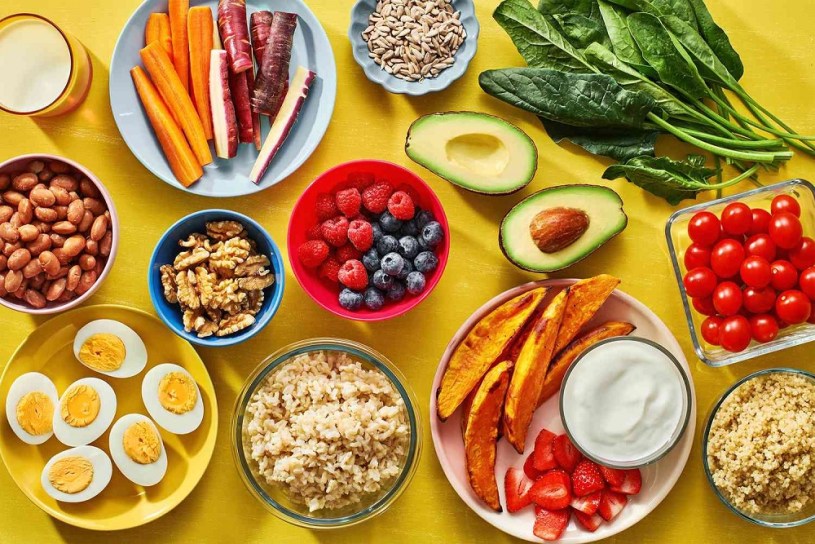
Food is much more than mere sustenance; it is an intricate tapestry woven from culture, history, science, and emotion. Across the globe, food holds a special place in human life, acting as a vehicle for connection, expression, and even identity. This article explores the multifaceted nature of food, examining its significance beyond the plate, and how it continues to shape our experiences and society at large.
The Cultural Symphony of Food
At its core, food reflects the culture and heritage of the people who create and consume it. Every region boasts its unique ingredients, cooking techniques, and flavor profiles, which collectively tell a story of the land and its inhabitants. From the fragrant spices of Indian curries to the delicate artistry of Japanese sushi, culinary traditions preserve history and foster community bonds.
Food festivals and rituals are vivid expressions of cultural pride and continuity. For instance, Thanksgiving in the United States or Diwali sweets in India are occasions where food acts as a symbol of gratitude, celebration, and familial unity. Such traditions anchor us to our roots while also offering opportunities for shared joy and hospitality.
Food as a Science and Art
The relationship between food and science is profound and endlessly fascinating. Cooking is an alchemical process where heat, time, and ingredients transform to create new textures, tastes, and aromas. Understanding the chemistry behind caramelization, fermentation, or emulsification unlocks a deeper appreciation for culinary craftsmanship.
Yet, cooking transcends the laboratory; it is equally an art form. The creativity involved in balancing flavors, plating dishes with aesthetic appeal, and inventing new recipes elevates food from mere survival to an experience of pleasure and beauty. Chefs around the world are revered not only for their technical skills but for their vision, pushing the boundaries of what food can express.
The Psychological and Emotional Dimensions of Food
Food carries immense emotional weight, often tied to memory and comfort. The scent of freshly baked bread or the taste of a grandmother’s stew can evoke nostalgia and a sense of belonging. Comfort food, in particular, provides emotional solace during times of stress or loneliness, connecting us to a sense of home and security.
Moreover, sharing food is a powerful social act. It fosters connection and dialogue, breaking down barriers between strangers and strengthening bonds among friends and family. Communal meals embody generosity and trust, underscoring the human need for companionship.
The Modern Food Landscape: Challenges and Innovations
The contemporary food world is complex, shaped by global trade, technological advances, and shifting consumer values. While food availability has expanded, issues such as sustainability, health, and equity have taken center stage.
Sustainability and Ethics
Increasing awareness of environmental impact has brought sustainability to the forefront. Practices such as organic farming, reducing food waste, and ethical sourcing are no longer niche concerns but vital to ensuring future food security. Consumers and producers alike are reconsidering the lifecycle of food — from farm to fork — emphasizing responsibility and stewardship.
Health and Nutrition
The rise of lifestyle diseases has prompted a closer look at the nutritional quality of what we eat. Balanced diets rich in whole foods, vegetables, and healthy fats contrast sharply with the proliferation of processed and fast foods. Public health campaigns and innovations in food science aim to empower individuals to make informed choices without sacrificing enjoyment.
Technological Innovations
Advancements such as lab-grown meat, plant-based alternatives, and precision agriculture hold promise for revolutionizing how we produce and consume food. These technologies address environmental concerns and ethical considerations, offering sustainable options without compromising taste or nutrition.
Food as an Expression of Identity and Creativity
In an increasingly globalized world, food serves as a powerful marker of identity. Migrant communities use traditional recipes to maintain cultural ties and share their heritage with new neighbors. At the same time, fusion cuisine emerges as a testament to the blending of cultures, creating vibrant new tastes and experiences.
For many, food is a canvas for creativity and personal expression. The art of cooking invites experimentation with ingredients and techniques, allowing individuals to craft dishes that reflect their personality, values, and aspirations. Whether it is through mastering classic recipes or inventing bold new combinations, food becomes a language of individuality.
Conclusion: Food as a Lifelong Journey
Food is an endlessly rich subject that touches every aspect of human existence. It nourishes not only our bodies but also our minds and souls. Its role as a cultural artifact, a scientific wonder, an emotional anchor, and a symbol of identity reveals its profound significance.
In embracing the diversity and complexity of food, we gain more than nutrition; we connect to history, community, and creativity. The journey of food is a lifelong exploration, inviting us to savor not just the flavors on our plates but the stories and meanings they carry.
Whether enjoyed in a humble home kitchen or a Michelin-starred restaurant, food remains one of the most universal and cherished elements of life — a celebration of humanity’s ingenuity and heart.

